What Is Import-Export Trade Data and Why Does It Matter for Businesses?
Introduction
Every day, millions of shipments move across borders — raw materials heading to factories, finished goods heading to retailers, components heading to assembly lines. Each of these movements leaves behind a trail of information: who shipped what, to whom, from where, and how much. That trail is what’s known as import-export trade data, and for businesses trying to grow internationally, it has quietly become one of the most valuable resources available.
Whether you’re a manufacturer scouting new markets, an importer vetting a supplier, or an analyst tracking industry trends, trade data turns guesswork into evidence. In this guide, we’ll break down what import-export trade data actually is, where it comes from, and why more businesses are building it into their sourcing, sales, and market research strategies.
What Is Import-Export Trade Data?
Import-export trade data is a record of international shipments — capturing details such as the exporter, the importer, the product (usually classified by HS code), the quantity, the value, the origin country, the destination country, and the shipping date. In many countries, this information is filed with customs authorities as part of the clearance process, which makes it a matter of public or semi-public record depending on the country’s disclosure laws.
At scale, this data becomes far more than a shipment log. Aggregated across thousands of companies and millions of transactions, it reveals patterns: which countries are exporting the most of a given product, which companies are the largest buyers in a category, and how trade flows are shifting over time.
Trade data typically falls into two categories:
- Import data – records of goods entering a country, showing who is buying and from where.
- Export data – records of goods leaving a country, showing who is selling and to whom.
Together, these two data sets give a complete picture of a supply chain from origin to destination.
Where Does Trade Data Come From?
Trade data is sourced primarily from customs filings and bills of lading, which businesses are legally required to submit when moving goods across international borders. Depending on the country, this data may be:
- Public and freely disclosed (as in many Latin American and South Asian countries)
- Available through government trade portals with limited detail
- Restricted or aggregated, requiring specialized providers to compile and structure it
This is where a dedicated trade intelligence platform matters. Raw customs filings are messy, inconsistent in format, and scattered across dozens of government sources. Providers that specialize in this space clean, standardize, and consolidate the data into a searchable format — covering countries across Asia, Africa, the Americas, and Europe — so businesses don’t have to piece it together themselves.
Why Does Trade Data Matter for Businesses?
1. Finding Verified Buyers and Suppliers
Instead of relying on trade shows or cold outreach, businesses can use shipment records to identify companies that are already importing or exporting the exact product category they’re interested in. This means outreach is based on real, verified transaction history rather than guesswork.
2. Validating New Markets Before Expanding
Trade data shows exactly which countries are importing a product, in what volumes, and at what price points. Before entering a new market, a business can use this data to gauge demand, spot underserved regions, and avoid costly missteps.
3. Tracking Competitors
By analyzing a competitor’s shipment history, businesses can see who their competitors are selling to, how their volumes are trending, and which markets they’re prioritizing — intelligence that’s otherwise very hard to obtain.
4. Reducing Sourcing Risk
For importers, trade data helps verify a supplier’s shipping history, consistency, and scale before committing to a contract — reducing the risk of working with unreliable or fraudulent vendors.
5. Benchmarking Pricing and Volume Trends
Because trade records often include shipment value and quantity, businesses can benchmark their own pricing against real market data, rather than relying on estimates.
Who Uses Import-Export Trade Data?
- Exporters and manufacturers looking to identify new buyers abroad
- Importers and procurement teams vetting suppliers and negotiating better terms
- Market research and business intelligence teams tracking industry-wide trade trends
- Investors and analysts studying supply chain shifts and trade policy impact
- Logistics and freight companies identifying high-volume trade lanes
A Global Resource, Not Just a Local One
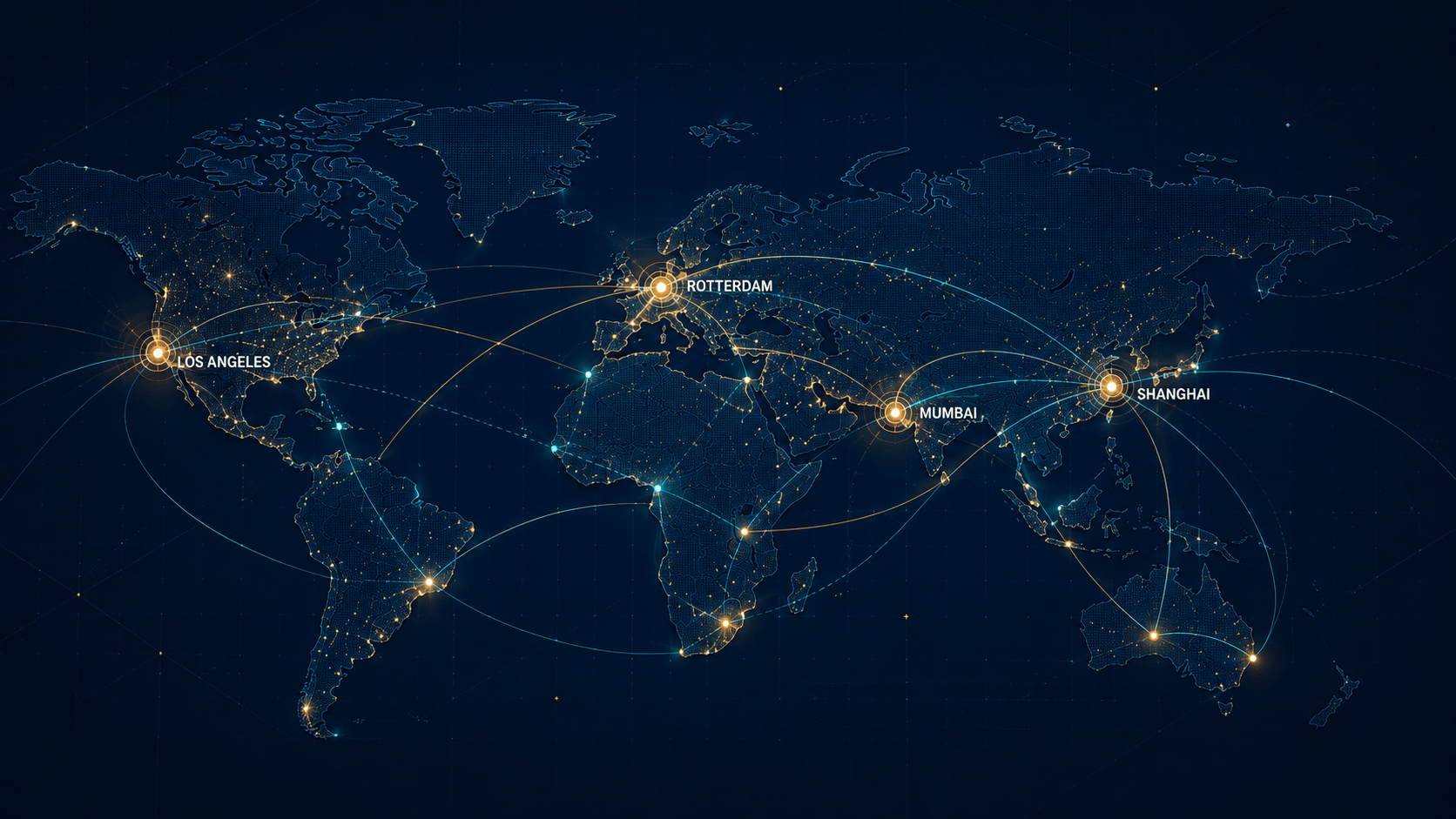
One of the most useful aspects of trade data is its global scope. A business sourcing electronics components, for example, might want to compare suppliers across Vietnam, India, and Mexico simultaneously — something that’s only possible with a data set that spans multiple countries under a single, standardized format. Platforms that consolidate data across 60+ countries make it possible to run this kind of cross-border comparison in minutes rather than weeks of manual research.
Final Thoughts
Import-export trade data has moved from being a niche resource for large corporations to an essential tool for businesses of every size. It replaces assumptions with verified transaction history, helping companies find the right buyers, vet suppliers with confidence, and make market-entry decisions backed by real numbers rather than intuition.
If your business is exploring new markets or looking to strengthen its sourcing strategy, understanding the trade data available to you — and where it comes from — is the first step toward using it effectively.