
How Trade Data Helps Businesses Predict Market Trends
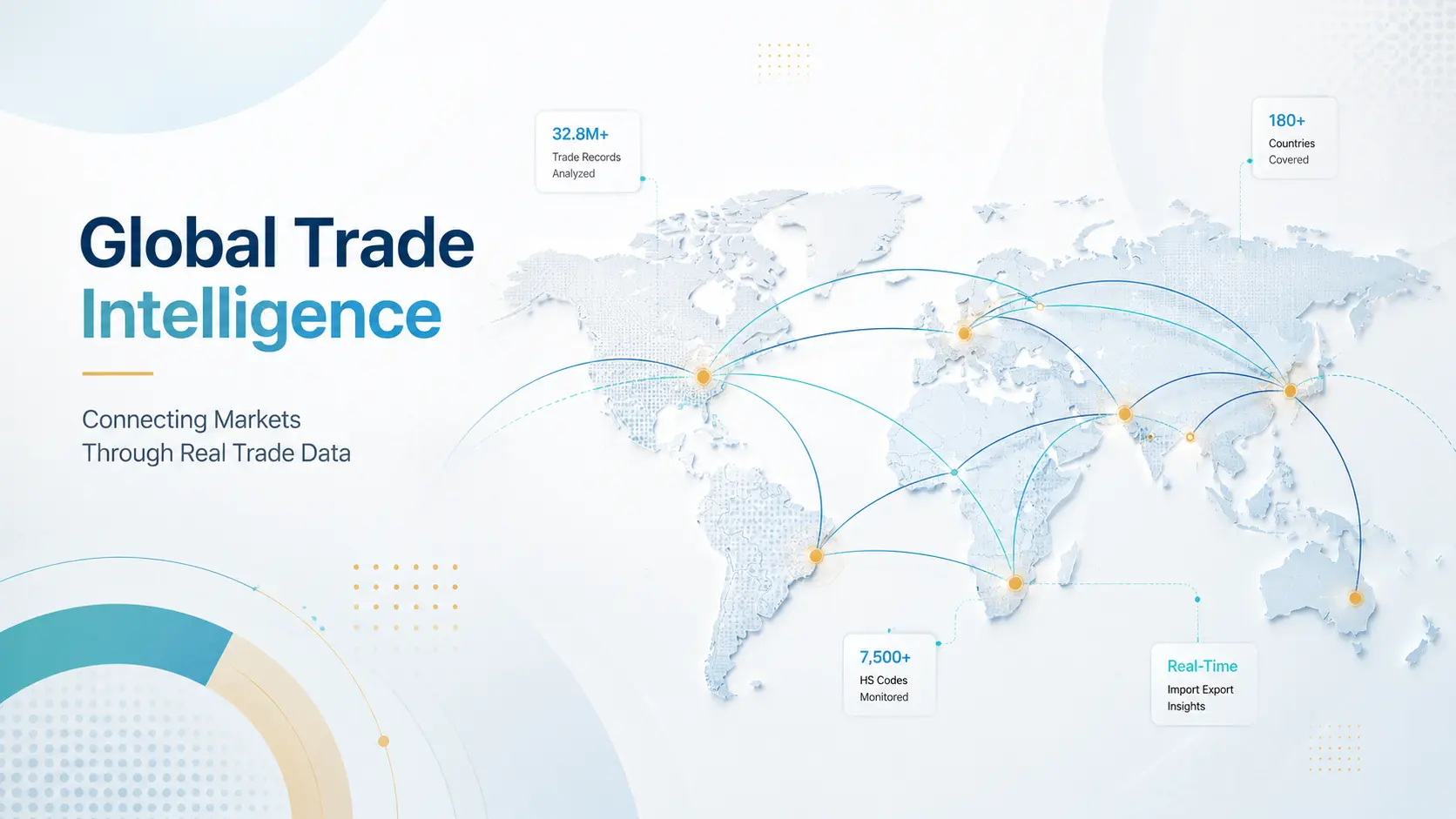
Global trade moves fast, and businesses that rely on guesswork are always a step behind. Every shipment that crosses a border leaves a data trail — who shipped what, where it came from, where it went, and how much it cost. When this information is collected and analyzed at scale, it becomes one of the most reliable tools for spotting market shifts before they happen.
This is where import export data comes in. Instead of reacting to trends after competitors have already capitalized on them, businesses that use trade data can see demand building, supply chains shifting, and new markets opening up — often months before these changes show up anywhere else.
What Is Trade Data, Exactly?
Trade data is the record of international shipments generated through customs filings. Every time a container of goods crosses a border, details are logged: the exporter, the importer, the product description, the quantity, the value, the origin country, and the destination country. Collected across thousands of shipments, this data turns into a detailed map of how goods actually move around the world.
Unlike surveys or industry reports that rely on estimates, trade data reflects real transactions. That makes it one of the most accurate ways to understand what is genuinely happening in a market, not just what people predict will happen.
Why Import Export Data Matters for Predicting Trends
1. Spotting Demand Before It Peaks
When a product category starts seeing a steady rise in shipment volumes from certain countries, that’s an early signal of growing demand. Businesses tracking import export data regularly can catch this rise weeks or months before it becomes obvious in retail sales or market reports, giving them time to adjust sourcing, production, or marketing strategy.
2. Identifying Emerging Suppliers and Markets
Trade data doesn’t just show established players — it also reveals new exporters entering a category, or new buyer markets opening up. A business exploring where to source raw materials, or where to sell finished goods, can identify these emerging opportunities directly from shipment records instead of waiting for industry buzz to catch up.
3. Tracking Competitor Movements
Shipment records show which companies are importing or exporting specific products, in what volumes, and through which routes. This lets businesses benchmark their own trade activity against competitors, understand who is scaling up, and react to shifts in the competitive landscape in near real time.
4. Understanding Seasonal and Regional Patterns
Trade volumes often move in predictable cycles tied to seasons, festivals, or regional demand spikes. Analyzing historical shipment data over multiple years helps businesses anticipate these patterns and plan inventory, logistics, and pricing well in advance.
5. Reducing Risk in Sourcing Decisions
Supply chain disruptions rarely happen without warning signs. A sudden drop in shipments from a particular country or supplier, visible in trade data, can flag risk before it turns into a shortage. This allows businesses to diversify sourcing early rather than scrambling once a disruption is already underway.
How Businesses Use Trade Data in Practice
- Sourcing teams use shipment records to find verified suppliers and compare pricing across countries.
- Sales teams use buyer-importer data to build targeted lead lists for international expansion.
- Market analysts use historical trade volumes to build demand forecasts and identify category growth.
- Logistics and supply chain teams use trade patterns to plan freight capacity and avoid bottlenecks.
In each case, the common thread is the same: decisions backed by actual shipment records are more reliable than decisions based on assumptions.
Making Trade Data Actionable
Raw shipment records, on their own, can be overwhelming — millions of rows of customs filings across countries and product categories. The real value comes from having this data structured, searchable, and filtered by country, product, buyer, or supplier, so businesses can pull exactly the insight they need without digging through noise.
This is where having access to trade data across a wide range of markets matters. Coverage across multiple regions means businesses aren’t limited to understanding trends in a single country, but can compare how demand and supply are shifting globally. You can see the full list of markets covered here.
Final Thoughts
Market trends don’t appear overnight — they build up gradually through shifts in sourcing, demand, and trade routes, all of which show up in shipment records long before they become visible anywhere else. Businesses that make import export data part of their regular decision-making process gain a real head start: fewer surprises, better sourcing decisions, and the ability to move on opportunities while competitors are still catching up.
Trade data isn’t just a record of what already happened — used well, it’s a forward-looking tool for understanding where markets are headed next.