
How to Use Shipment Data to Identify New Export Markets
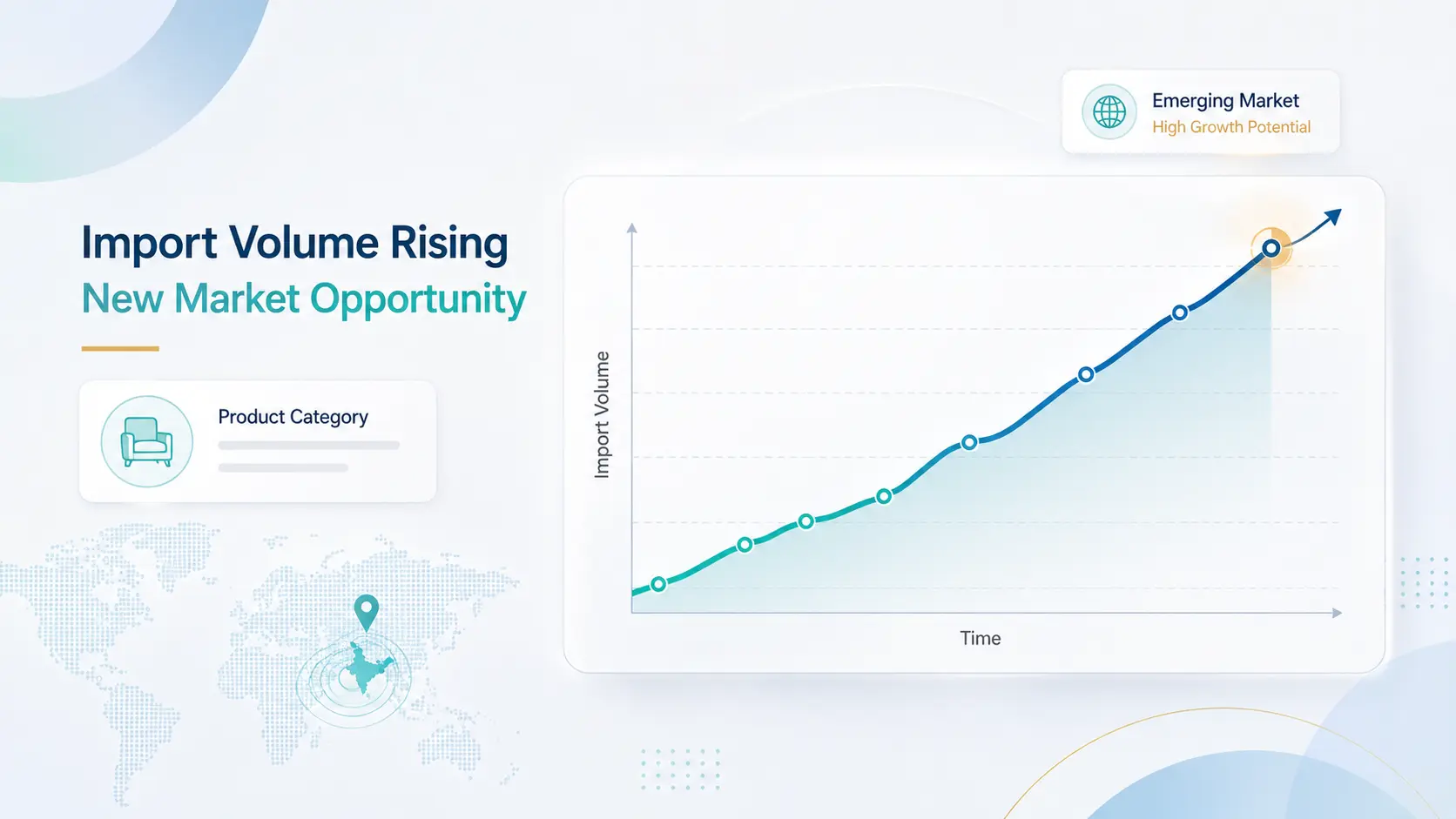
Finding the next market to export to is usually treated as a guessing game — a mix of trade shows, industry hearsay, and gut feeling. But the answer is often sitting in plain sight, buried inside shipment records that get filed every time a container crosses a border. Shipment data shows exactly which countries are already buying a product, how demand is trending, and where competitors haven’t shown up yet. For exporters looking to expand, this is one of the most reliable starting points there is.
What Shipment Data Actually Tells You
Every export or import transaction generates a customs record: the product, the quantity, the value, the exporter, the importer, the origin country, and the destination country. When thousands of these records are compiled and organized, they reveal patterns that are almost impossible to see from a single deal or a single market visit — rising demand in a country you’ve never sold to, buyers actively importing your product category, or entire regions where supply is thin and demand is climbing.
This is the foundation of export market research: using real trade activity, not assumptions, to decide where to expand next.
Step-by-Step: Finding New Export Markets Using Shipment Data
1. Start With Your Product’s Global Trade Flow
Search shipment records for your specific product (by HS code or product description) across all countries. This shows every country currently importing that product, along with volumes and values. Countries with steady or rising import volumes are markets already primed for your product — you’re just introducing a new supplier into an existing demand stream.
2. Look for Countries With Rising Import Volumes
A country that’s increasing its import volume year over year for your product category is signaling growing demand. This is far more reliable than assuming demand exists — the shipment data confirms buyers are actively purchasing and volumes are trending upward.
3. Identify Markets With Fewer Competing Suppliers
Shipment data also shows who else is exporting to a given country. A market with strong import demand but only a handful of active suppliers is easier to enter than a saturated one. This kind of market expansion analysis helps prioritize which countries offer the best opportunity-to-competition ratio.
4. Find Active Buyers, Not Just Countries
Beyond country-level trends, shipment records include the actual importing companies. This turns market research into lead generation — instead of entering a new country cold, you can identify verified buyers who are already importing similar products and reach out directly.
5. Check Seasonal and Regional Demand Patterns
Historical shipment data spanning multiple years shows whether demand for a product is seasonal, steadily growing, or tied to specific regional cycles (festivals, harvests, construction seasons, etc.). This helps time market entry and outreach for maximum impact rather than exporting into a lull.
6. Validate With Pricing and Route Data
Shipment records also include shipment value and, often, freight and route details. Comparing this against your own cost structure helps confirm whether a market is commercially viable before investing time and resources into entry.
Why This Beats Traditional Market Research
Traditional export market research — trade fairs, embassy reports, industry associations — is valuable, but slow and often outdated by the time it’s published. Shipment data is transactional and current, reflecting what buyers and suppliers are doing right now, not what they said they’d do in a survey last year. It replaces assumptions with verified trade behavior.
Turning Data Into a Market Entry Strategy
Once shipment data highlights a promising country, the next step is turning that insight into action:
- Build a shortlist of active importers in that market to approach directly
- Cross-check competitor suppliers already active there to understand pricing benchmarks
- Track import volume trends over 2–3 years to confirm the demand isn’t a one-off spike
- Layer in country-specific trade regulations and duty structures before committing resources
Since export opportunities vary widely by region, having shipment data across a broad set of countries makes this process far more effective — you can compare multiple potential markets side by side instead of researching one country at a time. You can explore the full range of markets covered here.
Final Thoughts
New export markets rarely announce themselves — they show up first as small, steady increases in shipment volumes, long before they become common knowledge in an industry. Businesses that use shipment data to guide expansion decisions get there first, with real numbers behind the decision instead of a hunch.
For exporters serious about growth, shipment data isn’t just a research tool — it’s a map of where the next opportunity already exists.