10 Ways to Use Import Export Data for Business Growth

Every business that trades across borders faces the same challenge: making big decisions without a clear view of the market. Import export data closes that gap. It shows who is buying what, which suppliers are shipping it, in what volume and at what price, so you can act on facts instead of guesses.
At DataVault Insights, our platform holds 50M+ shipment records across 60+ countries. Companies that use import export data regularly tend to find better buyers, source smarter and spot opportunities sooner. Here are 10 practical ways to put it to work.
Why Import Export Data Matters for Growth
International trade moves fast. Prices shift, new competitors appear and buyers change suppliers without warning. Businesses that rely on instinct alone often react too late. Those that track import data and export data see these changes as they happen, which gives them time to adjust their strategy, protect their margins and move into new markets with confidence.
1. Find Verified Overseas Buyers
Export data reveals which companies are already importing your product, how often they order and how much they buy. Instead of cold outreach to random contacts, you can shortlist active buyers with proven demand and approach them with a relevant offer. This can make your sales cycle shorter and your pitch far more focused. You can also see which buyers work with several suppliers, so you know how much competition to expect before you reach out.
2. Discover Reliable Suppliers
Import data shows who supplies your competitors and how consistently they ship. Reviewing a supplier’s shipment history, volumes and buyer base helps you judge reliability before you sign any agreement, which lowers the risk of delays and quality surprises. It also gives you a stronger position when you negotiate terms and prices.
3. Identify High-Demand Markets
Comparing import data across countries shows where demand for your product is rising or falling. You can prioritise markets that import in steady, growing volumes and avoid those that are saturated or shrinking. Check the full list of countries covered by DataVault Insights to see which regions you can explore.
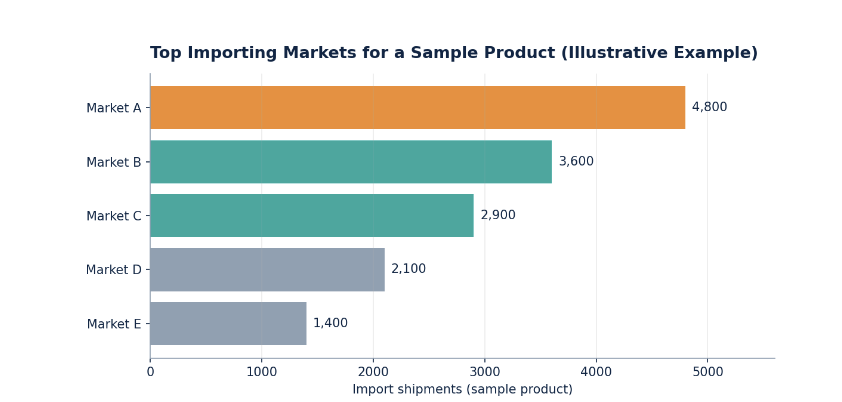
Figure 1: Comparing import data across markets highlights where demand is strongest (illustrative example).
4. Track Competitor Activity
Both import data and export data expose competitor movements: who they sell to, which suppliers they rely on and how their shipment volumes change over time. These insights help you respond quickly, whether that means approaching a buyer they have lost or matching a new sourcing strategy. Regular monitoring turns competitor behaviour into an early warning system for your own business.
5. Price Your Products Competitively
Shipment records include quantity and value details that let you work out typical unit prices in each market. Benchmarking your price against real transactions helps you quote confidently, protect your margins and avoid pricing yourself out of a deal. Over time, tracking price movements also shows you when it is the right moment to raise or hold your rates.
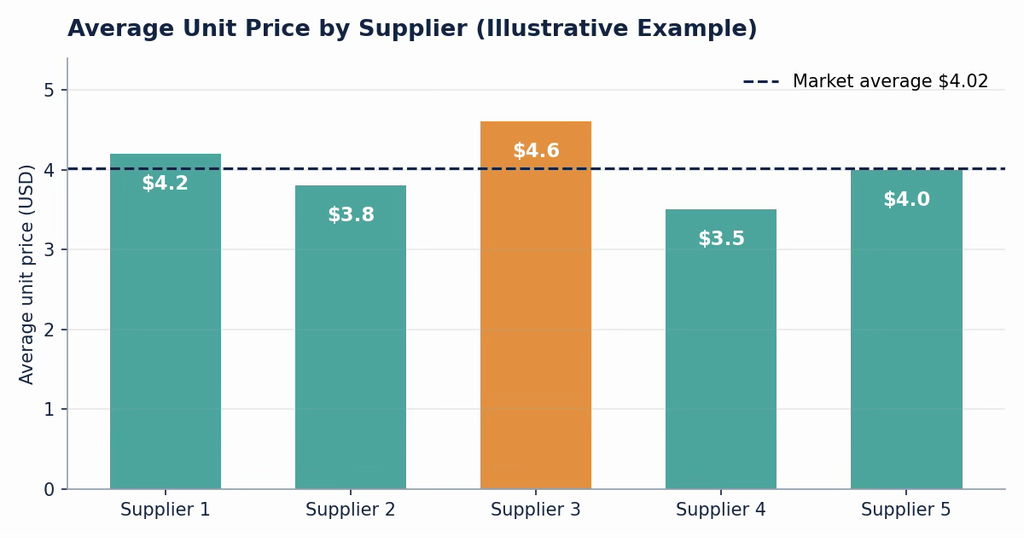
Figure 2: Unit price benchmarks drawn from export data help you quote with confidence (illustrative example).
6. Forecast Seasonal Demand
With 10+ years of historical records, you can see when demand peaks and dips for a product. Use these patterns to plan production, manage inventory and schedule marketing before the busy season begins rather than after it starts.
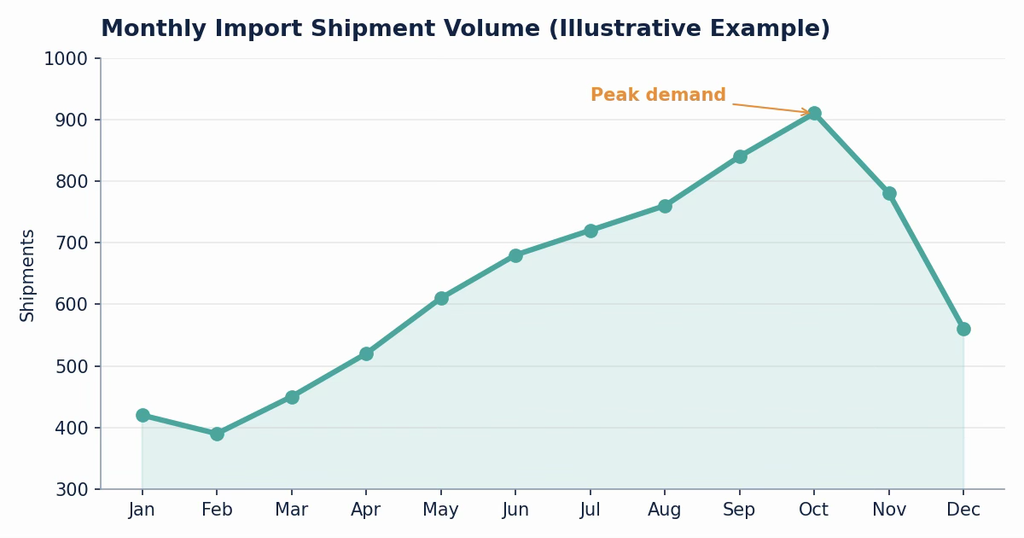
Figure 3: Historical import data reveals seasonal demand patterns (illustrative example).
7. Diversify Your Supply Chain
Relying on a single supplier or country is risky. Import data helps you find alternative suppliers across different regions so you can spread risk, negotiate better terms and keep operations running when one source is disrupted. A wider supplier network also makes your business more resilient during sudden demand spikes.
8. Validate New Product Ideas
Before investing in a new product line, check whether it actually moves in volume. Import export data shows how many shipments occur, which markets buy the product and whether trade is growing, giving you evidence to support or reconsider your launch. It is a low-cost way to reduce the risk of stocking a product nobody is ordering.
9. Build Targeted Sales Lead Lists
A buyer and supplier database built from real trade activity gives your sales team qualified leads. Filter by product, country, shipment size or order frequency, and focus your outreach on companies most likely to convert. With 500K+ global buyers and suppliers in our database, finding the right match becomes far quicker.
10. Benchmark Your Business Performance
Compare your shipment volumes and market reach against wider industry activity. Import export data helps you see whether you are gaining or losing share, which markets you under-serve and where your next growth opportunity sits. Reviewing these numbers every quarter keeps your targets realistic and your team aligned.
Turn Import Export Data into Business Growth
Import export data turns global trade from a guessing game into a strategy. Whether you want to find buyers through export data, source suppliers through import data or simply understand where your market is heading, the right information makes every decision stronger.
The best approach is to start small. Pick one product and two or three target markets, review the latest import data and export data for them, and build your first shortlist of buyers or suppliers. As you see results, expand the same process across your full portfolio.
Ready to get started? Visit DataVault Insights to explore our platform, check the countries we cover and request a free sample of import export data for your product.