
Top 10 Tea Exporters in 2024-25
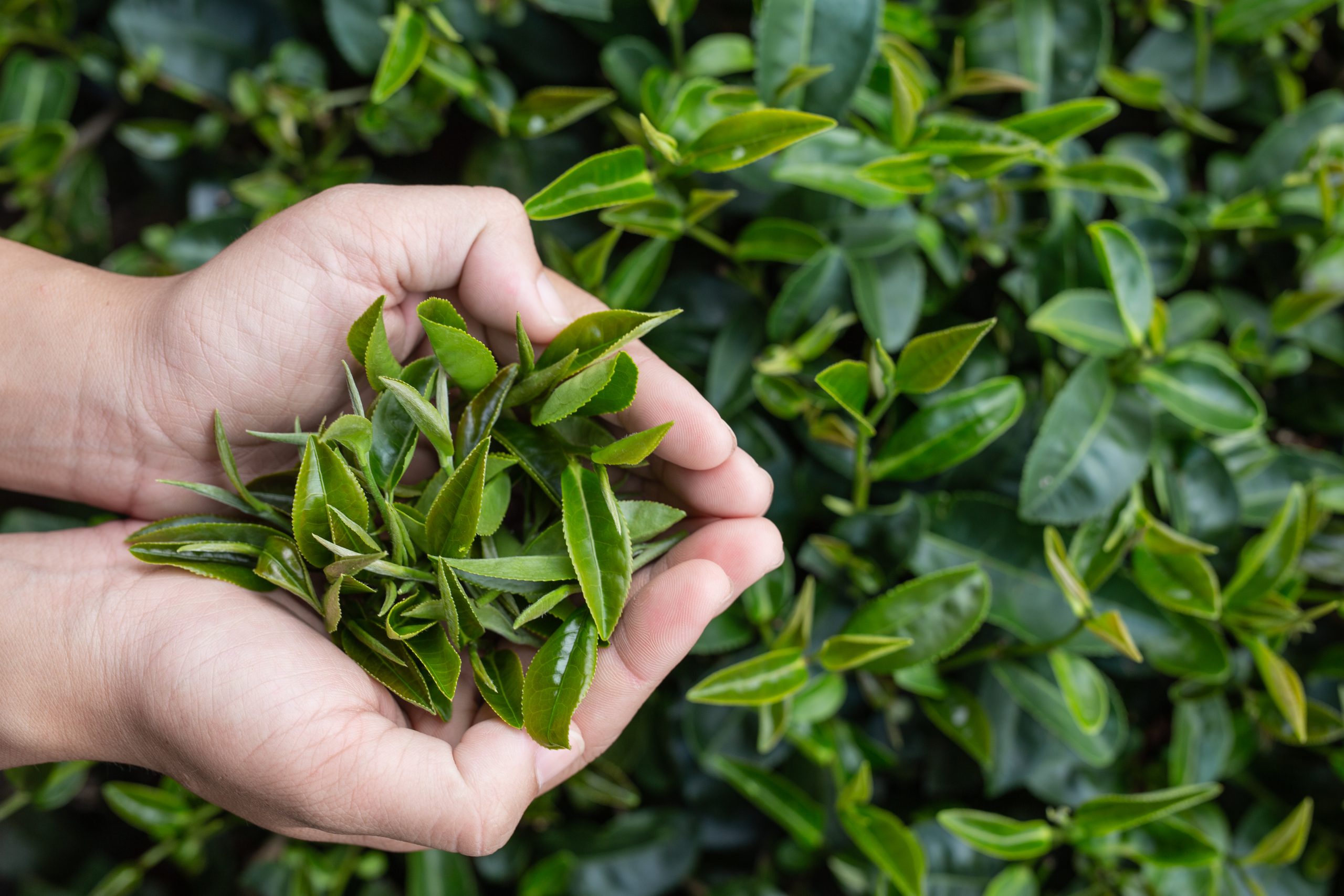
The world traded roughly US$7.55 billion worth of tea in 2024 — and just five countries moved more than 70% of it. But the 2024-25 rankings hide a story most lists miss: the biggest names on the leaderboard aren’t always the biggest tea growers. Using verified shipment records and global trade data, here’s the real picture of who exports the most tea, how much they earn, and where the market is shifting.
Top 10 Tea Exporters in 2024-25 at a Glance
These figures reflect the latest full-year tea export values (HS code 0902), the cleanest benchmark available for the 2024-25 cycle. China holds the crown by value, but Sri Lanka and Kenya are now within a whisker of it — separated by less than $11 million across a billion-dollar field.
| Rank | Country | Export Value (2024) | Global Share | YoY Change | Avg. Price/Ton |
|---|---|---|---|---|---|
| 1 | China | $1.42 billion | 18.8% | −18.4% | low $3,000s* |
| 2 | Sri Lanka | $1.41 billion | 18.7% | +10.0% | $5,793 |
| 3 | Kenya | $1.41 billion | 18.7% | +4.0% | $2,252 |
| 4 | India | $816.9 million | 10.8% | +15.5% | $3,268 |
| 5 | Poland | $265.2 million | 3.5% | +5.6% | $12,680 |
| 6 | Japan | $242.6 million | 3.2% | +15.1% | $27,300 |
| 7 | Germany | $235.1 million | 3.1% | +1.2% | $11,515 |
| 8 | UAE | $173.5 million | 2.3% | −64.0% | $8,308 |
| 9 | United Kingdom | $137.5 million | 1.8% | +14.1% | $9,521 |
| 10 | Vietnam | $113.7 million | 1.5% | −37.4% | $1,538 |
The Detail Most “Top Tea Exporter” Lists Get Wrong
Look again at the per-ton prices. Vietnam moves tea at ~$1,538 a ton; Japan earns ~$27,300. That 18x gap isn’t a measurement error — it’s the whole point. The export leaderboard mixes two very different kinds of player.
The key insight: growers vs. blenders & re-export hubs. China, Kenya, Sri Lanka, India and Vietnam ship tea they actually grow. Poland, Germany, the UK and the UAE grow almost none — they import bulk leaf, blend or repackage it, and re-export a finished product at a premium. That’s why a small country like Poland out-earns Vietnam per ton by 8x. If you’re sourcing, knowing which is which changes everything.
This is exactly the kind of nuance you only catch with shipment-level global trade data rather than headline rankings. A country can rank high on value while contributing little to the actual leaf supply chain. Now let’s break down all ten.
Top 10 Tea Exporting Countries in 2024-25
No. 1 — China: the volume giant that’s cooling off
Value: $1.42B | Share: 18.8% | YoY: −18.4%
China remains the world’s largest tea exporter by value and is comfortably the largest producer, growing the majority of the planet’s green tea. Yet 2024 saw a sharp ~18% drop in export value as prices softened and bulk green-tea shipments to Africa carried thinner margins. Africa — led by Morocco and Ghana — is China’s most important destination, absorbing huge volumes of inexpensive green tea for blending. The takeaway: China leads on scale, but its growth story is plateauing.
No. 2 — Sri Lanka: premium Ceylon, premium price
Value: $1.41B | Share: 18.7% | YoY: +10.0% | Price: $5,793/ton
“Ceylon tea” is one of the strongest origin brands in the world, and the numbers prove it. Sri Lanka grew exports 10% in 2024 and commands roughly $5,793 per ton — more than double Kenya’s price — thanks to its reputation for orthodox, high-grown black tea. It now sits second globally, breathing down China’s neck. For importers chasing quality positioning rather than rock-bottom cost, Sri Lanka is the benchmark origin.
No. 3 — Kenya: the world’s black-tea workhorse
Value: $1.41B | Share: 18.7% | YoY: +4.0% | Price: $2,252/ton
Kenya is the engine of the global black-tea trade — especially CTC tea destined for tea-bag blends. At ~$2,252 per ton it’s one of the most cost-efficient quality origins on earth, and it posts the single largest net trade surplus in tea worldwide (~$1.4B). If your sourcing model runs on consistent, affordable black tea at volume, Kenya is almost always in the conversation.
No. 4 — India: the fastest-rising major origin
Value: $816.9M | Share: 10.8% | YoY: +15.5% | Price: $3,268/ton
India was the standout mover of 2024, growing exports 15.5% — its best volume run in years, near 255 million kg — on the back of strong demand from the UAE, Iraq and Russia. With Assam (robust CTC), Darjeeling (premium specialty) and Nilgiri all in its portfolio, India sells across the price spectrum. Among the big three growers, it’s the one with clear upward momentum heading into 2025.
No. 5 — Poland: the re-export hub nobody expects
Value: $265.2M | Share: 3.5% | YoY: +5.6% | Price: $12,680/ton
Poland grows essentially no tea, yet ranks fifth by export value. How? It’s a major European blending and re-export center — importing bulk leaf, packaging branded blends, and shipping finished product across the EU at ~$12,680 per ton. It’s the clearest example of the “value-add, not volume” model on this list.
No. 6 — Japan: the most expensive tea on earth
Value: $242.6M | Share: 3.2% | YoY: +15.1% | Price: $27,300/ton
Japan’s per-ton export price of ~$27,300 is in a league of its own — roughly 7x the world average. This is the matcha and premium-sencha effect: a global wellness boom for Japanese green tea pushed exports up 15% in 2024. Japan proves that origin storytelling plus product specialization can beat raw volume by a mile.
No. 7 — Germany: Europe’s blending powerhouse
Value: $235.1M | Share: 3.1% | YoY: +1.2% | Price: $11,515/ton
Like Poland, Germany is a re-exporter rather than a grower, home to established blending brands and a sophisticated logistics base. Growth was flat in 2024, but its ~$11,515 per-ton price reflects high-value branded and herbal blends serving the wider European market.
No. 8 — UAE: the swing trader of tea
Value: $173.5M | Share: 2.3% | YoY: −64.0%
The UAE is a pure re-export and trading hub, which makes its exports volatile — and 2024 was brutal, with value collapsing 64% as flows rerouted. Dubai’s role as a transshipment point means its ranking swings year to year with logistics and re-export demand rather than any home harvest. A useful reminder that hub economies need watching closely in any sourcing plan.
No. 9 — United Kingdom: heritage brands, modern trade
Value: $137.5M | Share: 1.8% | YoY: +14.1% | Price: $9,521/ton
The UK doesn’t grow tea at scale, but it’s home to globally recognized blending brands and re-exports premium packaged tea at ~$9,521 per ton. A 14% jump in 2024 shows the staying power of British tea heritage as a marketing asset in export markets.
No. 10 — Vietnam: high volume, low value
Value: $113.7M | Share: 1.5% | YoY: −37.4% | Price: $1,538/ton
Vietnam rounds out the top 10 as a bulk green-tea supplier at the lowest per-ton price among the leaders (~$1,538). Exports fell sharply (−37%) in 2024 amid price pressure, underlining the risk of competing purely on cost. For buyers, Vietnam remains an entry point for inexpensive volume — but margins and consistency are the trade-off. Explore live Vietnam import-export data to see current flows.
3 Trends Defining the 2024-25 Tea Trade
- The big three are converging. China, Sri Lanka and Kenya are now bunched at the top within ~$11M of each other. China is sliding; Sri Lanka and Kenya are climbing. By the next reporting cycle, the #1 spot is genuinely up for grabs.
- Value is shifting from volume to specialization. Japan (+15%) and premium origins are outpacing bulk suppliers. The fastest revenue gains are coming from premium green tea, matcha and branded blends — not commodity black tea.
- India is the momentum story. A 15.5% jump, driven by Middle East and Russian demand, makes India the major grower to watch in 2025. Anyone sourcing or competing in tea should be tracking Indian shipment trends closely.
What This Means If You Import or Trade Tea
Rankings are a starting point, not a sourcing strategy. To actually act on this market you need to know which companies are shipping what grades to which buyers — and at what price. That’s where shipment-level import export data turns a leaderboard into a deal pipeline:
- Find verified suppliers in Kenya, Sri Lanka or India by HS code 0902, filtered by grade and volume.
- Benchmark real prices against the per-ton figures above before you negotiate.
- Track competitors’ sourcing routes and spot new origins early.
- De-risk hub exposure by seeing through re-export flows (UAE, Poland) to the true country of origin.
See the real tea-trade flows behind these numbers. DataVault Insights gives you verified, shipment-level import-export data across 60+ countries — find tea buyers and suppliers, benchmark prices, and track competitors in real time. Request sample data or explore our Trade Data API to get started.
Frequently Asked Questions
Which country is the largest tea exporter in 2024-25?
China is the largest tea exporter by value, at about US$1.42 billion in 2024 (18.8% of global tea exports). However, Sri Lanka and Kenya are extremely close behind at ~$1.41 billion each, so the gap at the top is now very narrow.
Who are the top 5 tea exporting countries?
The top five tea exporters in 2024-25 by value are China, Sri Lanka, Kenya, India and Poland. Together they account for roughly 70.5% of all global tea exports.
Why does Poland export so much tea without growing it?
Poland is a European blending and re-export hub. It imports bulk tea leaf, blends and repackages it into branded products, then re-exports the finished tea across the EU at a high per-ton value (~$12,680/ton). It’s a value-add model rather than a growing one.
Which country has the most expensive tea exports?
Japan has the highest average export price at roughly $27,300 per ton — about 7x the world average of ~$3,783 — driven by premium matcha and high-grade green tea demand worldwide.
How big is the global tea export market?
Global tea exports totaled about US$7.55 billion in 2024, down roughly 5.7% year over year. Asia accounted for around 61.5% of value, followed by Africa (22%) and Europe (13.6%).
Where can I find verified tea exporters and buyers?
You can identify verified tea exporters and importers using shipment-level trade data filtered by HS code 0902. DataVault Insights provides this data across 60+ countries — request a free sample to get started.
Data: Full-year 2024 tea export values (HS code 0902) compiled from UN Comtrade / International Trade Centre Trade Map sources. Figures represent the latest available full-year benchmark for the 2024-25 cycle and may be revised as national statistics finalize.